
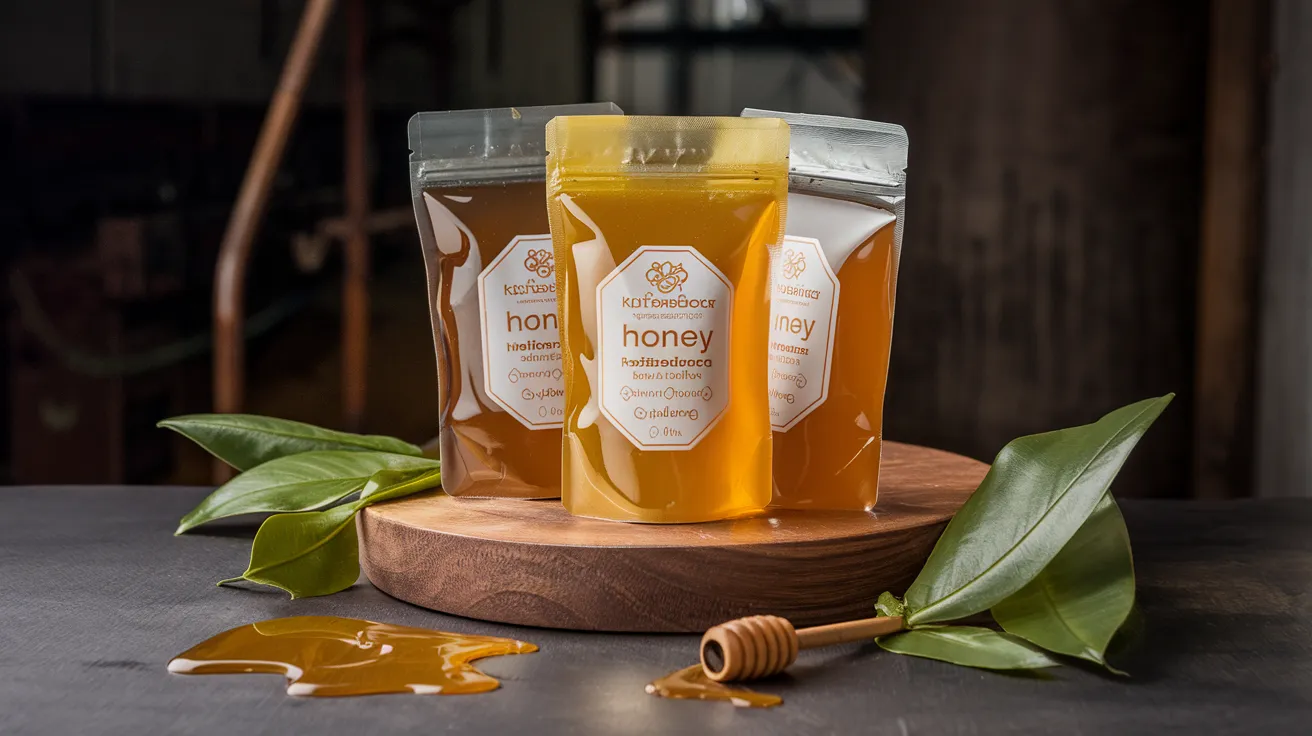
What is a Honey Pack? Complete Guide to Honey Pack Supplements
What Exactly is a Honey Pack?
You’ve probably seen them tucked behind the counter at gas stations – those small gold and black packets with exotic names promising enhanced performance and energy. That’s what people call a “honey pack.” These little sachets contain what’s marketed as a blend of honey mixed with herbs like ginseng, royal jelly, and tongkat ali. The packaging makes them look like traditional aphrodisiacs.
Here’s the thing though: honey packs aren’t FDA-approved medications, and testing has repeatedly found prescription drugs hidden inside them that aren’t listed anywhere on the label. This guide exists to give you straight facts about what these actually are, not to tell you what to do. Just know that if you’re thinking about trying them, talking to a doctor first could save you serious problems down the road.
The History of Honey Packs
Honey packs started showing up in Asian markets in the early 2000s, then made their way West. By 2010-2015, they were everywhere in the US – gas stations, smoke shops, that sketchy corner store you pass on your way home. The marketing was clever: position them as “natural” alternatives to prescription ED meds, lean into traditional medicine vibes, and let word-of-mouth do the rest.
And word-of-mouth absolutely worked. Once people started claiming these things delivered, the market exploded. Now there are hundreds of brands out there, along with countless fakes trying to cash in on the hype.
Market Size and Popularity
Despite all the FDA warnings and regulatory headaches, honey packs have become a multi-million dollar industry. Walk into any independent gas station and chances are good you’ll find them near the register in a small display box. Smoke shops stock them alongside kratom and CBD. Adult stores have them in the enhancement section. And online? Both legitimate-looking sites and obvious sketchy ones are selling them.
You’ll find them especially in urban corner stores, where they’ve become as common as energy drinks. Prices typically run $5-15 for a single packet, though some places offer bulk deals if you’re buying quantity.
Common Honey Pack Brands
Walk into any gas station selling these and you’ll see the same names over and over. Royal Honey VIP is probably the most recognizable – those gold packets are everywhere. Black Thai Honey markets itself as extra strength. Etumax Royal Honey plays up the Malaysian origin angle. Kingdom Honey comes in a bunch of different formulations. Pink Pussycat targets women specifically. Then there’s Rhino Honey, which is part of that whole Rhino enhancement product ecosystem.
Here’s what you need to know: many of these brands have been recalled or flagged by the FDA. Testing keeps finding undeclared pharmaceutical ingredients – we’re talking actual Viagra (sildenafil) or Cialis (tadalafil) mixed in with no mention on the label. That’s not just sketchy marketing; that’s potentially dangerous.
What’s Inside a Honey Pack?
Most honey packs claim to contain pure honey as the base ingredient and carrier, along with royal jelly (a bee product rich in proteins and vitamins) and bee pollen. Then there’s tongkat ali – a Southeast Asian herb that’s supposed to boost testosterone – and panax ginseng, that traditional Asian herb used for energy. They’ll throw in maca root (a Peruvian plant associated with libido) and various amino acids for good measure.
For a detailed breakdown of what each ingredient is claimed to do and the actual evidence behind these claims, see our honey pack ingredients breakdown.
The Controversy: What Makes Honey Packs Risky?
The FDA has issued multiple warnings about honey packs. Here’s why:
Undeclared Pharmaceutical Ingredients
Testing has repeatedly found prescription drugs in honey packs that aren’t listed anywhere on the label. We’re talking sildenafil (the active ingredient in Viagra), tadalafil (the active ingredient in Cialis), and vardenafil (another prescription ED medication).
These undeclared drugs can cause serious health problems, especially when combined with certain medications like nitrates used for heart conditions. That combination can kill you.
Inconsistent Dosing
Even when pharmaceutical ingredients are present, the dosing is all over the place between packets. One might have 50mg, another 150mg. Makes it impossible to predict effects or control your intake.
Counterfeit Products
The popularity of honey packs has led to widespread counterfeiting. Fake products flood the market with unknown or dangerous ingredients inside.
Are Honey Packs Legal?
The legal status of honey packs is complicated. See our detailed guide on are honey packs legal for specifics, but here’s the overview:
- In the US: Not approved by FDA; products with undeclared drugs are illegal
- Importing: May be seized by customs
- Selling: Retailers can face legal action for selling adulterated products
- Personal use: Generally not prosecuted, but carries health risks
Do Honey Packs Actually Work?
This is the question everyone wants answered, and the truth isn’t simple.
Some users report effects, which could be due to the placebo effect (expectations creating perceived results), undeclared pharmaceutical ingredients (illegal drugs causing real effects), or the herbal ingredients themselves (though evidence for most is pretty limited).
For an honest, evidence-based analysis, read our comprehensive guide: Do Honey Packs Work?
Should You Use Honey Packs?
We’re not here to tell you what to do, but we want you to have the facts for an informed decision.
Risks to consider: unknown ingredients and dosing, potentially dangerous drug interactions, zero quality control, legal and regulatory issues, and health complications that could land you in the emergency room.
If you choose to use them anyway, practice harm reduction. Research the specific brand, check FDA recall lists, start with a small amount to test your tolerance, never combine them with other medications without consulting a doctor, and know the signs of adverse reactions.
Visit our Safety Hub for comprehensive safety information.
Finding Honey Packs Responsibly
If you decide to purchase honey packs, knowing where to buy and how to verify product authenticity is crucial.
Use our Honey Pack Finder to locate verified sellers in your area, and read our guide on where to buy honey packs for detailed purchasing advice.
The Bottom Line
Honey packs have a complex history and an uncertain safety profile. Sure, some users report positive experiences, but the risks from undeclared ingredients, widespread counterfeits, and complete lack of regulation are significant.
If sexual enhancement or energy is what you’re after, talk to a healthcare provider about safe, FDA-approved options. If you still choose to use honey packs, educate yourself thoroughly and practice harm reduction.
Related Reading:
- Honey Pack Ingredients Breakdown
- Why People Think Honey Packs Work
- How to Spot Fake Honey Packs
- Honey Pack Safety Guide
This article is for educational purposes only and does not constitute medical advice. Always consult with a qualified healthcare provider before using any supplement or medication.