
How to Spot Fake Honey Packs: Counterfeit Identification Guide
The Counterfeit Problem
An estimated 30-60% of honey packs in circulation are counterfeit. That’s not a typo. These fakes copy popular brands with sophisticated packaging, making them nearly impossible to distinguish from genuine products without careful inspection.
This guide helps you identify potential counterfeits, though be warned – even with these tips, professional fakes can fool experienced users.
Important caveat: Even “genuine” honey packs often contain undeclared drugs and pose health risks. Counterfeits compound these dangers with completely unknown contents and quality.
Why Counterfeits Are Particularly Dangerous
Unpredictable Contents
Counterfeit honey packs may contain different drugs than the original, higher or lower doses, no active ingredients at all (just fillers), dangerous contaminants, unknown chemicals, or combinations not in the original product.
The result? Even more unpredictable and dangerous than the already-risky genuine products.
Unknown Quality
No standards whatsoever:
- No manufacturing oversight
- Unknown ingredients sourcing
- Potential contamination
- Degraded or expired components
- Unsanitary production conditions
Variable Effects
Same counterfeit brand may have:
- Different batches with different contents
- Inconsistent effects between packets
- Some batches “work,” others don’t
- Unpredictable side effects
General Red Flags
Price
Too cheap:
- Under $5 per packet = suspicious
- “Wholesale prices” on small quantities
- Significant discount from typical retail
- Deal that seems too good to be true
Why: Quality counterfeiting costs money, but cheap fakes exist. Very low prices indicate questionable sourcing.
Seller Characteristics
Suspicious sellers:
- No established business presence
- Can’t or won’t answer questions about sourcing
- Evasive about product origins
- Pressure tactics (“limited supply,” “act now”)
- No return policy
- Payment methods: gift cards, cryptocurrency only, wire transfer
Better signs:
- Established local business
- Willing to discuss products
- Has other inventory beyond honey packs
- Normal payment methods
- Some kind of return/exchange policy
Purchase Location
Higher counterfeit risk:
- Flea markets and swap meets
- Street vendors
- Unknown online sellers
- Social media private sellers
- International sellers shipping to US
Lower risk (though not guaranteed authentic):
- Established smoke shops
- Long-standing gas stations
- Known adult retailers
Packaging Inspection
Print Quality
Check for:
- Blurry or low-resolution images
- Color inconsistencies
- Misaligned printing
- Smudged ink
- Poor registration (colors not lining up)
- Pixelation on logos
Genuine products (even though they’re often illegal) typically have professional printing.
Text and Language
Red flags:
- Misspellings or grammatical errors
- Awkward phrasing (“for enjoy pleasure”)
- Font inconsistencies
- Missing or incorrect diacritical marks
- Poor translation from other languages
Even one misspelling can indicate counterfeit.
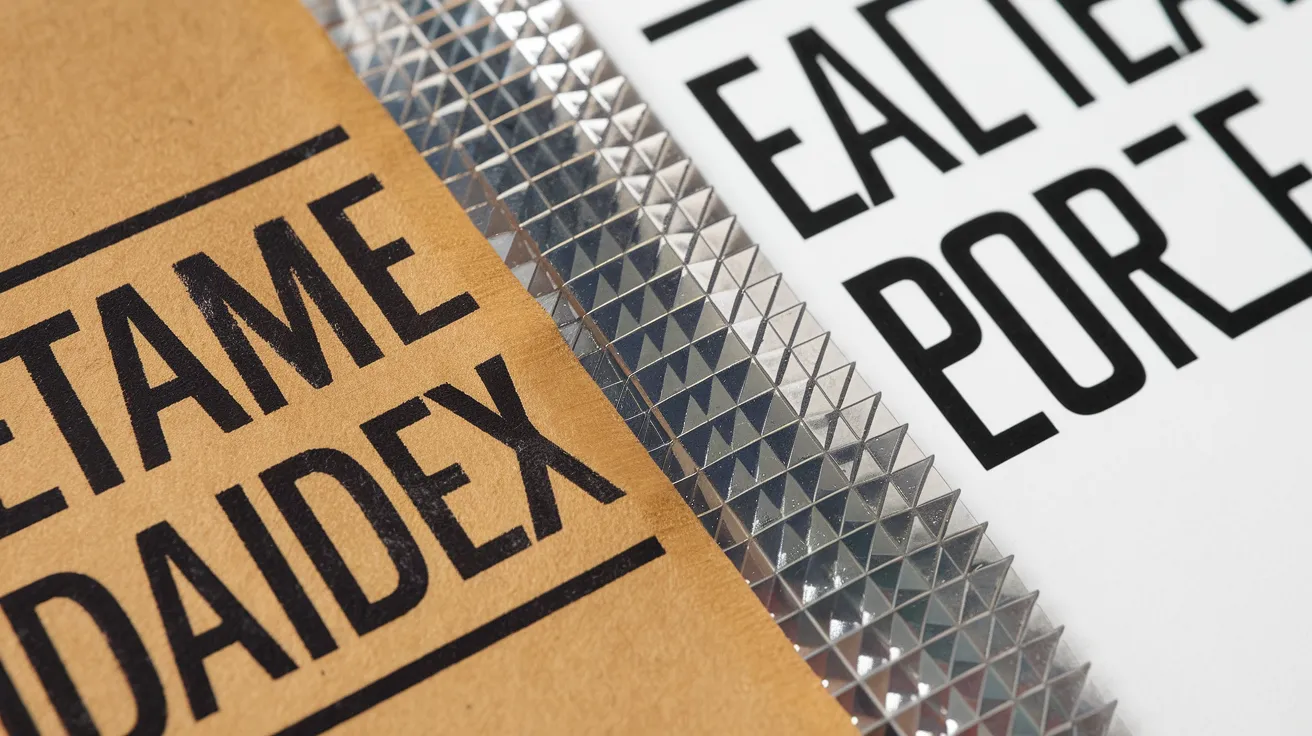
Holographic Elements
Many brands use:
- Holographic stickers
- Metallic ink
- Security features
- QR codes with verification
Counterfeit indicators:
- Holograms that don’t shift properly
- Poor quality metallic printing
- Easily removable security stickers
- QR codes that don’t work or lead to suspicious sites
Note: Sophisticated counterfeits copy these too, so presence doesn’t guarantee authenticity.
Packaging Material
Check:
- Packet material quality
- Seal integrity
- Printing directly on packet vs. label
- Packet thickness and feel
- Corner cuts and edges
Compare to photos of known genuine products if possible.
Barcode and Batch Information
Should have:
- Barcode (though not always)
- Batch or lot number
- Manufacturing date
- Expiration date (sometimes)
Suspicions if:
- Dates don’t make sense (expired, future dates)
- Batch numbers look fake (all zeros, sequential when they shouldn’t be)
- Missing information common to genuine product
Brand-Specific Indicators
Royal Honey VIP
Genuine characteristics (pre-recall):
- Specific gold/yellow color scheme
- Particular logo style
- Holographic authentication sticker
- QR code verification
Counterfeit issues:
- Color shade slightly off
- Logo proportions wrong
- Cheaper hologram
- Fake QR verification sites
Note: This brand has been recalled multiple times by FDA.
Black Thai Honey
Genuine features:
- Black and gold packaging
- Specific font styles
- Product codes
- Quality printing
Counterfeits often have:
- Slightly different black shade
- Font variations
- Lower quality gold printing
Etumax Royal Honey
Look for:
- Specific packaging design
- Official distributor marks
- Authentication features
Problems:
- Very commonly counterfeited
- Many variations exist
- Hard to distinguish without side-by-side comparison
QR Code Verification
How It’s Supposed to Work
Many brands include QR codes that supposedly verify authenticity when scanned.
Theory: Scan code → verification website → confirms genuine product
The Reality
Problems:
- Counterfeiters create fake verification sites
- Real sites often don’t work or are down
- QR codes can be copied to fake products
- Many “genuine” products have non-functional codes
Don’t rely solely on QR verification.
How to Check More Safely
- Don’t scan with main phone if concerned about security
- Check the URL before entering any information
- Look for HTTPS and legitimate domain
- Be suspicious of sites asking for personal information
- Compare to official brand website if one exists
Verification codes are easily faked.
Batch-to-Batch Comparison
If You’ve Bought Before
Compare new purchase to previous:
- Packaging design
- Print quality
- Packet feel and thickness
- Color consistency
- Text placement
- Logo details
Even slight differences may indicate different source (genuine vs. counterfeit or different counterfeit operation).
Effects Comparison
If you’ve used this brand before:
- Effects notably stronger or weaker
- Different side effect profile
- Different timing (onset, duration)
- Different taste or consistency
Might indicate different contents (counterfeit with different formulation).
What You Can’t Rely On
Things That Don’t Guarantee Authenticity
Packaging quality:
- Professional counterfeits exist
- High-quality printing doesn’t mean genuine
Price:
- Even expensive products can be fake
- Counterfeiters charge premium prices too
Seller confidence:
- Many sellers don’t know they’re selling fakes
- Confident assurance doesn’t mean truth
Previous purchases:
- Seller’s source may have changed
- Your last purchase may have been genuine, this one fake
Online reviews:
- Can be faked
- May be for genuine product while you receive fake
- Survivorship bias (bad experiences underreported)
The Fundamental Problem
Without laboratory testing, you cannot definitively determine if a honey pack is genuine or counterfeit.
Even sophisticated inspection only increases suspicion or confidence – it doesn’t provide certainty.
If You Suspect a Counterfeit
Don’t Use It
If you have doubts:
- Don’t consume questionable products
- Unknown contents = unknown risks
- Not worth potential harm
Report It
Help others:
- Report to FDA: https://www.fda.gov/safety/medwatch
- Note where purchased: Help identify counterfeit sources
- Keep packaging: May be useful for investigation
Seek Refund
If recently purchased:
- Return to seller with concerns
- Many legitimate businesses will refund
- Don’t accept replacement (may also be fake)
Harm Reduction for Counterfeit Risk
If You Choose to Purchase Honey Packs
Minimize counterfeit risk:
Source carefully:
- Established, reputable sellers
- Long-standing businesses
- Sellers who stand behind products
- Avoid too-good-to-be-true deals
Inspect thoroughly:
- Use this guide to check packaging
- Compare to authentic product images online
- Look for obvious red flags
- Trust your instincts
Start conservatively:
- If trying new source, start with partial packet
- Test tolerance and effects
- Be prepared for different results
- Have emergency plan
Monitor effects:
- Note if different from previous experiences
- Watch for unexpected side effects
- Don’t assume consistency
The Larger Picture
Even “genuine” honey packs:
- Often contain undeclared drugs
- Have inconsistent dosing
- Pose serious health risks
- Are frequently recalled by FDA
Counterfeits compound these existing dangers with additional unknowns.
Better Alternatives
Why This Problem Exists
Counterfeiters thrive because:
- High demand for honey packs
- Significant profit margins
- Difficult to distinguish fakes
- Limited enforcement
- Consumers willing to buy despite risks
Breaking the Cycle
Consider:
- Medical consultation for ED or libido concerns
- FDA-approved medications with guaranteed quality
- Legitimate supplements from reputable companies
- Lifestyle approaches to underlying issues
These eliminate counterfeit risk entirely while providing safer, more effective solutions.
The Bottom Line
Spotting fake honey packs is difficult. Professional counterfeits fool even experts. Verification methods are compromised. Laboratory testing is the only certainty. And the risk is substantial – we’re talking a 30-60% counterfeit rate.
Even if you think you’ve identified a genuine product, it still likely contains undeclared drugs, still poses health risks, still has quality control issues, and is still often illegal.
The counterfeit problem is one more reason to consider safer, regulated alternatives for sexual health concerns.
If you choose to purchase honey packs anyway: use this guide to minimize counterfeit risk, understand you can’t be certain, start with small amounts, monitor effects carefully, and have emergency resources ready.
Your health deserves products with guaranteed quality and safety.
Related Reading:
- Where to Buy Honey Packs - Sourcing guidance
- Honey Pack Safety Guide - Comprehensive safety info
- Undeclared Ingredients Problem - What’s really inside
- Why Honey Pack Effects Vary - Understanding inconsistency
Use our Honey Pack Finder to locate verified sellers, though verification doesn’t guarantee authenticity.
This article is for educational and harm reduction purposes. Even authentic honey packs pose significant health risks. Consider safer, regulated alternatives for sexual health concerns.